
The Hands-On Guide to Japanese Food Experiences
Honest comparisons and practical guides to sushi making, matcha, chopstick crafting and more — written by a team that runs these experiences every day in Tokyo & Osaka.
Honest comparisons and practical guides to sushi making, matcha, chopstick crafting and more — written by a team that runs these experiences every day in Tokyo & Osaka.
Six ways to make something yourself in Japan — from a sushi class to an afternoon of sake tasting. We disclose which experiences we operate ourselves.
 Operated by us
Shape nigiri and rolls with a professional sushi chef. Beginner-friendly, English-speaking instruction in Tokyo & Osaka.
See the guide Operated by us
Whisk your own bowl of matcha and learn tea ceremony basics in a calm, guided setting.
See the guide Operated by us
Shape, sand and personalize your own pair of chopsticks — a quiet craft experience and a souvenir you made yourself.
See the guide Independent pick
How broth, handmade noodles and toppings come together, plus where to try a class yourself.
See the guide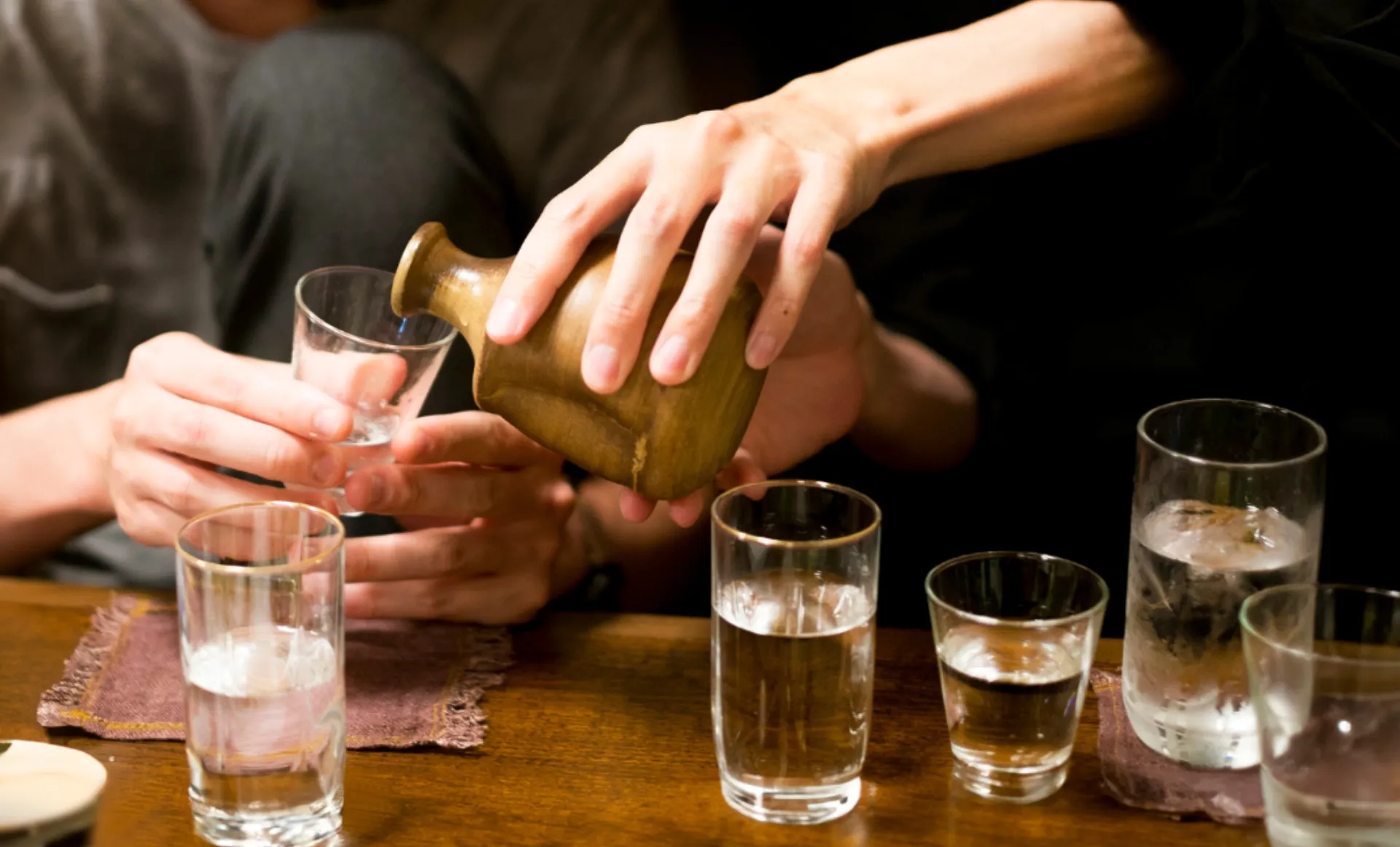 Independent pick
Guided tasting flights that explain how sake is graded, brewed and served.
See the guide Independent pick
A practical guide to eating your way through Japan’s street food stalls and markets.
See the guideLong-form comparisons written from real operating experience — not desk research.

We compare 7 sushi making classes in Tokyo on the same criteria — price, duration, group size, English support and location — including our own.

We compare 5 sushi making classes in Osaka on the same criteria — price, duration, group size, English support and location — including our own.

How to choose between sushi, ramen and matcha classes in Tokyo, Osaka and Kyoto — what to check before you book.

We explain the difference and compare 5 matcha experiences in Tokyo on the same criteria — including our own.

We explain the difference and compare 3 matcha experiences in Osaka on the same criteria — including our own.

We use our own published sushi, matcha and chopstick prices to show exactly when a private class costs about the same as group.

We compare airport access, Shinkansen cost, and our own sushi, matcha and chopstick prices in Tokyo and Osaka.

We don't operate in Kyoto ourselves, so we fact-checked a tea ceremony, a sake museum, a food tour and a cooking class against their own official sites.
What actually happens in a chopstick-making class, how it differs from other crafts, and where to try it in Tokyo, Osaka and beyond.

Budget, mainstream, name-brand and private sushi making classes in Tokyo compared on price — and what actually drives the cost.

Four real make-your-own souvenirs — chopsticks, a raku tea bowl, indigo dyeing and washi paper — compared on price, time and where to book.

What's actually in a plant-based sushi menu, verified prices in Tokyo and Osaka, and the questions worth asking before you book.

Why soy sauce, not rice, is the real gluten risk in Japanese food, verified across our own sushi and matcha classes.

Halal-friendly vs. halal-certified explained, which Tokyo classes publish a real halal menu, and where to pray or shop nearby.
More guides coming twice a week.
Washoku Guide is operated by Food Activity Japan, which runs sushi making, matcha and chopstick making experiences in Tokyo and Osaka every day. We write from real operating experience, not as outside observers.
Operated by us — Food Activity Japan runs these three experiences ourselves in Tokyo & Osaka.


